
On July 15, SK Hynix’s Nasdaq-listed ADR jumped 27.29% to close at $193.92, hitting an all-time high since its debut. In just three trading days, the ADR premium over Korean ordinary shares widened from ~3% at IPO to 51%.
The ADR began trading on July 10 at $149, opened at $170, and closed at $168.01 on day one – a 12.8% gain with a 15.5% premium. The offering of 177.9 million ADS raised **$26.5 billion**, surpassing Alibaba’s 2014 record as the largest U.S. listing by a foreign issuer, with a debut market cap exceeding $1.22 trillion – surpassing Micron.
The rally is fueled by AI infrastructure demand. As NVIDIA’s core HBM supplier, SK Hynix leads the high-bandwidth memory market with 58% revenue share in Q1 2026, according to Counterpoint, versus Samsung and Micron at 21% each. Full-year HBM shipment share is estimated at 52%, with revenue projected at $5.95 billion.
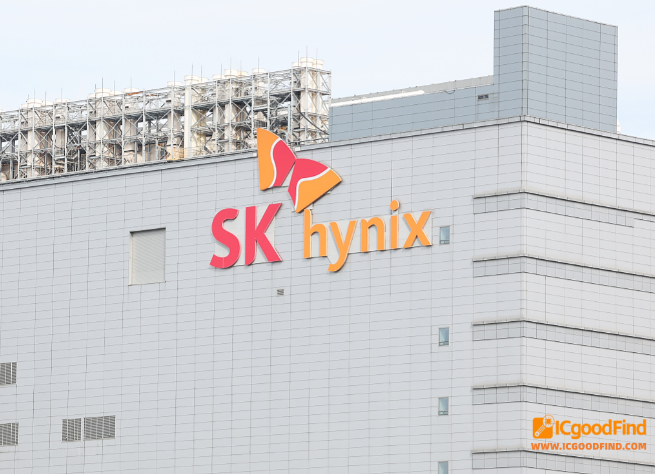
Market sentiment briefly swung after Korean brokerages cut Q2 estimates, triggering a 15% drop in Kospi-listed shares. However, a July 14 SemiAnalysis report projected Q2 DRAM average selling price up 45% quarter-over-quarter, reversing pessimism and sparking the ADR rally.
Gartner forecasts 2026 global memory market at $633 billion (+192.7% YoY), with HBM demand up 90% driven by AI servers. Due to 4–6 month production cycles and tight supply, pricing remains supported.
SK Hynix is a prime beneficiary of the memory upcycle, leveraging its HBM lead and deep NVIDIA ties. However, memory cyclicality remains a risk – if major players expand capacity or AI demand slows, pricing and share volatility could follow.
From ICgoodFind: Memory is the oil of AI – and SK Hynix is sitting on the largest reserve. A 51% ADR premium shows global capital is pricing in HBM scarcity – but cyclic risks never disappear.
